LPG Home Heating in Cyprus: Is It the Right Choice for Your Property?
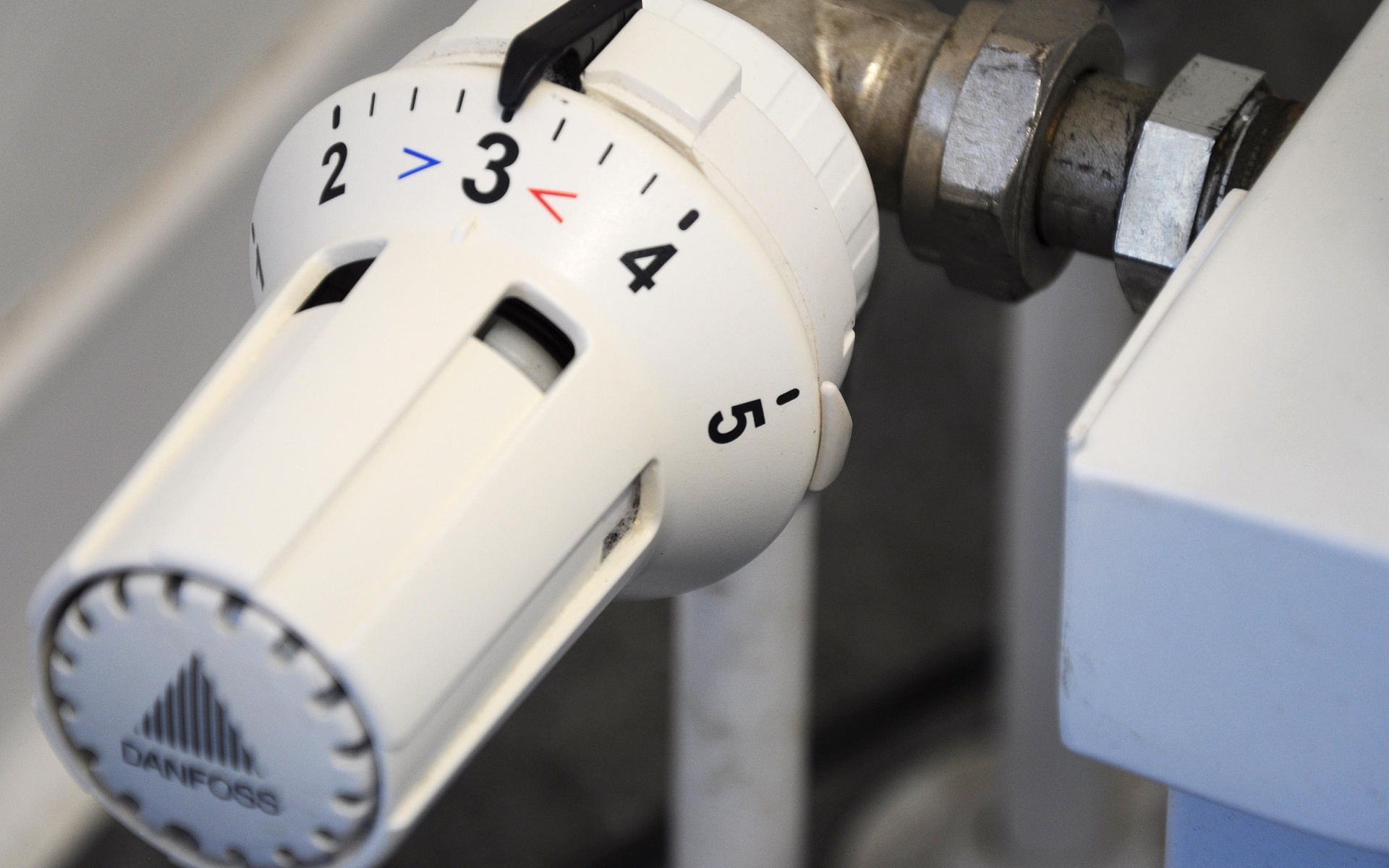
Heating a home in Cyprus looks different depending on where you live and how your property is set up. Many homes are not connected to mains gas, which means the options come down to electricity, oil or LPG. For a growing number of households, LPG central heating has become the preferred choice, and it is not difficult to see why.
This guide covers how LPG heating works for homes in Cyprus, how it compares to the alternatives, what installation involves, and what you can expect from running costs.
Why home heating matters in Cyprus
Cyprus has a Mediterranean climate, but winters in the Troodos foothills and across inland areas can be genuinely cold. Coastal properties are milder but still need reliable heating for a few months of the year. Many older properties were built without central heating and rely on electric heaters or air conditioning units, which are expensive to run and often inadequate for larger spaces.
LPG offers a practical modern alternative. It does not require a mains gas connection, it can power a full central heating system and hot water, and it is available to properties across the island regardless of location.
How LPG central heating works
An LPG central heating system works in the same way as a natural gas system, but with LPG stored in a bulk tank on your property instead of piped from the grid. A boiler burns the gas to heat water, which is then circulated through radiators or underfloor heating across the home. The tank is refilled by scheduled tanker deliveries managed by your supplier.
For hot water, an LPG boiler can supply a combi system, a hot water cylinder, or both. The setup depends on the size of your property and your usage patterns.
LPG vs electric heating in Cyprus
Electricity in Cyprus is expensive compared to much of Europe. For homes using electric heaters or immersion heaters for hot water, switching to LPG typically reduces heating costs significantly. A gas-fired boiler is more efficient for space heating than electric panel heaters or air conditioning units used in heat mode.
The upfront cost of installing an LPG system is higher than plugging in an electric heater, but the long-term running cost difference makes the switch worthwhile for most homes with moderate to high heating demand.
LPG vs oil heating in Cyprus
Oil and LPG share similar practicalities, as both are stored on site and delivered by tanker. LPG generally burns more cleanly than heating oil, produces less carbon and requires less maintenance on the boiler. Oil prices in Cyprus have been volatile in recent years, which has prompted many homeowners to switch.
If your property already has oil central heating, switching to LPG typically involves replacing the boiler and storage tank. Existing pipework and radiators can often be kept in place, which reduces the cost of the transition.
What size LPG tank do you need for home heating?
Tank size depends on the size of your property, how many months of the year you use heating, and what else you use LPG for (cooking, hot water, pool heating). As a general guide:
Smaller homes or apartments: 500 to 1,000 litre tank
Medium properties with central heating: 1,000 to 1,500 litre tank
Larger homes with full central heating and hot water: 1,500 to 2,500 litres
The Intergaz team will carry out a consumption assessment and recommend the right size for your property. It is better to size slightly up and schedule fewer deliveries than to risk running low mid-winter.
What does LPG home heating installation involve?
Intergaz manages the complete installation process. Here is what to expect:
Initial site visit and consultation
Tank sizing and positioning recommendation
Tank delivery and installation, above or below ground
Pipework from tank to property
Boiler installation or connection to existing system
Pressure testing and commissioning
Safety briefing and handover
First LPG delivery to commission the system
A standard above-ground installation for a residential property is typically completed within one to two days. Underground installations take a little longer due to the groundwork involved.
How much does LPG home heating cost in Cyprus?
The cost of switching to LPG heating depends on whether you need a new boiler, the size of tank required, and the complexity of your installation. Intergaz provides a full quote before any work begins so you know exactly what is included.
Running costs will vary based on your property size, insulation and usage. Our team can give you a realistic estimate based on comparable properties.
Is LPG available at my location in Cyprus?
Yes. Intergaz delivers across Cyprus, including rural areas, hill villages and coastal properties. LPG does not require grid infrastructure, so availability is not limited by location. As long as a delivery tanker can access your property, we can supply you.
Ready to explore LPG heating for your home?
Get in touch with the Intergaz team to discuss your property and heating requirements. We will arrange a site visit, recommend the right system and provide a clear quote with no obligation. Our team typically responds within one business day.
Call us, email us or fill in the enquiry form online.